
Gambling and its cultural impact an exploration of traditions and beliefs
The Historical Roots of Gambling
Gambling has been a part of human civilization for thousands of years, with evidence of betting practices dating back to ancient civilizations such as the Chinese, Egyptians, and Romans. Each culture developed its own forms of gambling, from dice games to betting on chariot races, reflecting their societal norms and values. These early forms of gambling served as both entertainment and a means to engage in friendly competition, illustrating a communal aspect that helped bond individuals within these societies. Today, you can experience modern gambling options at god22casino-australia.com, a premier online gaming site designed for Australian players.

As gambling evolved, it became intertwined with religious and spiritual beliefs. Many ancient cultures viewed luck as a divine force, with gambling often associated with rituals intended to appease gods. For instance, the casting of lots in ancient Greece was both a form of gambling and a method of decision-making believed to be influenced by fate. This blend of spirituality and chance showcases how deeply embedded gambling practices are within cultural frameworks.
Over time, gambling transcended its recreational roots and became a multifaceted institution. The establishment of lotteries in medieval Europe, the growth of casinos in the 17th century, and the formalization of sports betting demonstrate how societies adapted gambling to fit their evolving economic and social landscapes. Today, these historical practices continue to shape modern gambling, influencing everything from laws to gaming technology, while still resonating with cultural traditions.
Cultural Beliefs Surrounding Gambling
The beliefs surrounding gambling vary significantly across different cultures, often determining how gambling is perceived and practiced. In some societies, gambling is celebrated as a form of entertainment and social bonding. For example, in many Western cultures, poker nights and sports betting are popular social activities that strengthen community ties. This view aligns gambling with leisure and enjoyment rather than vice, reflecting a more permissive attitude towards recreational betting.
Conversely, other cultures regard gambling as a harmful activity, associating it with addiction and moral decay. In certain religious contexts, gambling may be condemned outright, viewed as a temptation that can lead individuals astray. For instance, Islamic teachings often prohibit gambling due to its elements of chance and the potential for financial ruin. This dichotomy in belief systems illustrates how cultural values can shape the acceptability of gambling practices.
Moreover, superstitions play a significant role in how gambling is approached in various cultures. Many gamblers engage in rituals or carry talismans believed to bring good luck. These practices can range from wearing lucky clothing to reciting chants before placing bets. Such traditions not only enhance the gambling experience but also reflect the underlying belief that luck can be influenced through personal actions, demonstrating how deeply ingrained these cultural attitudes are within the gambling community.
The Societal Impact of Gambling
Gambling’s societal impact extends beyond mere entertainment; it influences economies, social structures, and even political landscapes. Economically, legal gambling generates substantial revenue for governments, funding public services and infrastructure. This financial influx has led many regions to embrace gambling as a means of economic development, establishing casinos and betting parlors as critical components of their local economies. In this way, gambling plays a dual role, functioning as both a source of enjoyment and an economic engine.
However, the societal implications are not all positive. The potential for gambling addiction raises significant concerns, leading to detrimental effects on individuals and families. Communities often face increased rates of crime, poverty, and mental health issues linked to problem gambling. This reality has sparked debates over the need for regulations to protect vulnerable populations and promote responsible gambling practices, underscoring the necessity for a balanced approach to the gambling industry.
Furthermore, gambling can reinforce social hierarchies and inequalities. Access to gambling facilities is often uneven, favoring wealthier communities that can afford to support such establishments. This disparity can perpetuate social divides, leading to a situation where gambling is both a privilege for some and a source of hardship for others. Consequently, understanding the societal impact of gambling requires a comprehensive examination of both its benefits and drawbacks.
Global Variations in Gambling Traditions
Across the globe, gambling traditions manifest in unique forms, influenced by local customs, laws, and cultural attitudes. For instance, in many indigenous cultures, traditional games often blend gambling with cultural rituals, reinforcing community bonds. These games serve as a means to preserve cultural identity while providing entertainment. Such practices highlight the importance of gambling in cultural continuity and community cohesion.
In contrast, modern casinos in urban settings represent a more commercialized approach to gambling, focused on profit and entertainment. These venues often feature extravagant designs and a plethora of gaming options, appealing to a broad demographic. This commercialization reflects a shift from community-centered practices to individual enjoyment and economic gain, changing the way gambling is experienced across different societies.
Additionally, the rise of online gambling has transformed traditional gambling practices, allowing individuals to participate from the comfort of their homes. This trend has led to an explosion of virtual gambling platforms, catering to diverse audiences worldwide. While this evolution brings convenience and accessibility, it also raises questions about the regulation and ethical considerations of an industry that can easily cross borders, creating a global gambling culture that may dilute regional traditions.
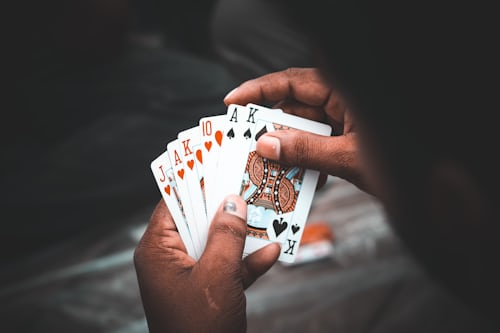
Exploring God22 Casino: A Modern Gambling Experience
God22 Casino exemplifies how online platforms are reshaping the gambling landscape for modern players. With a focus on user experience, God22 offers a wide variety of games, catering to diverse tastes and preferences. Players can access over 1,500 games, from classic slots to contemporary table games, showcasing the platform’s commitment to providing an engaging gambling experience.
The casino not only emphasizes variety but also prioritizes player satisfaction through generous bonuses and promotions. A notable 200% welcome bonus up to AU$750 serves as an incentive for new users, reflecting an understanding of the competitive nature of the online gaming market. Additionally, fast withdrawal options ensure that players can enjoy their winnings without unnecessary delays, enhancing the overall user experience.
With dedicated customer support available 24/7, God22 Casino strives to create a reliable and enjoyable environment for its players. By incorporating various payment methods, including cryptocurrencies, the platform ensures that transactions are both secure and convenient. This focus on user needs demonstrates how online casinos are adapting to modern demands, offering a seamless and exciting gambling experience for players worldwide.